Event presentation
Rewind Culture: why nostalgia is driving kids’ toy choices
Born in 2010, gripped by the 1980s and 90s. Why Gen Alpha is actively choosing brands and characters from before they were born, and what toy companies should do about it.
First presented by Adam Woodgate, VP Research Solutions, at Nuremberg Spielwarenmesse 2026
Nostalgia is not just adults reliving their childhood. Millennial parents amplify it by co-consuming and co-purchasing, creating dual-audience opportunities.
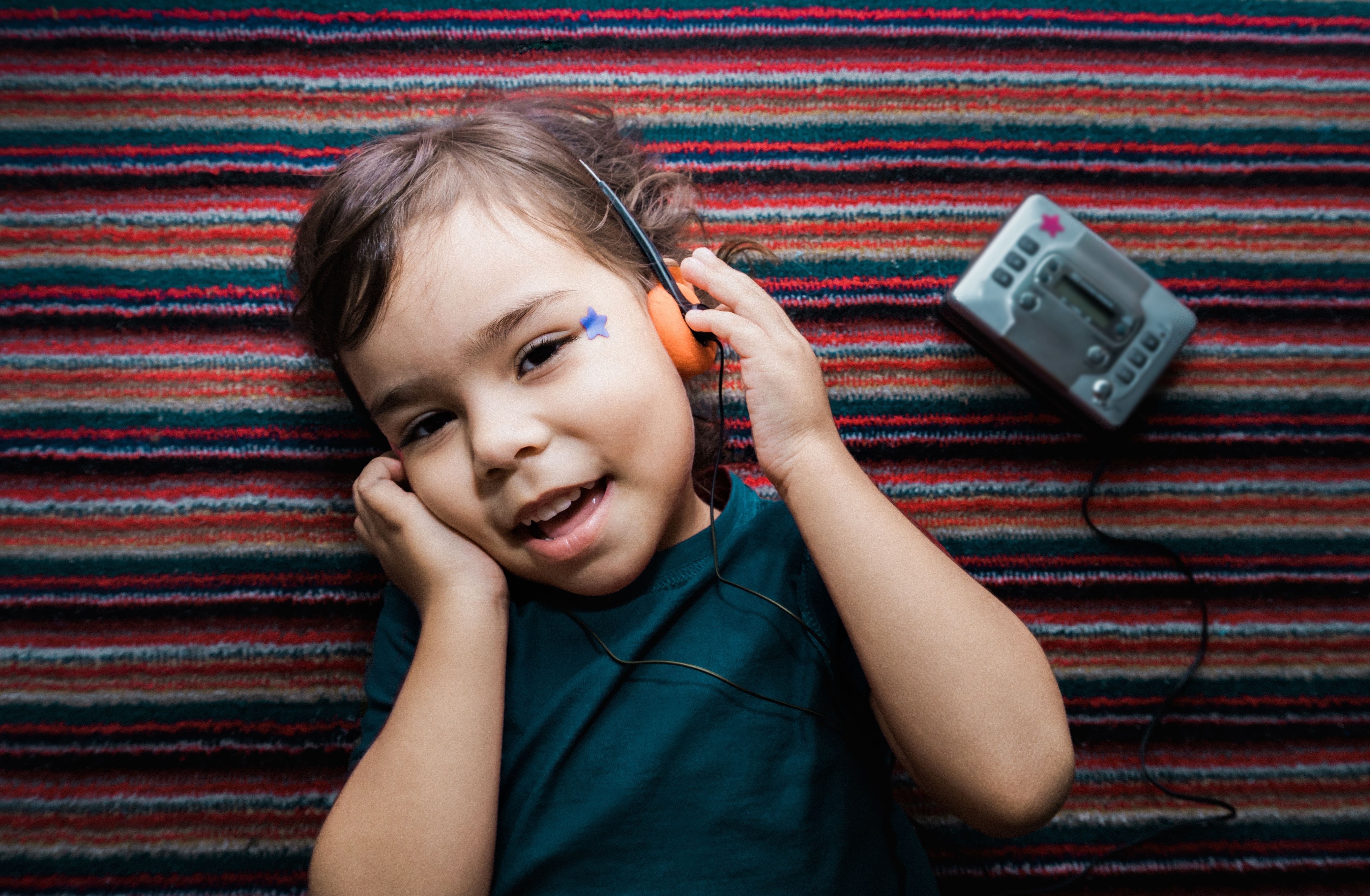
Get the presentation
Fill in your details and the slides are yours. Download the slides.
What you get
Six findings that reshape a licensing strategy.
Clarity to shape strategy, foresight to spot opportunity, and data to de-risk decisions.
The paradox
Born in 2010, gripped by the 1980s and 90s: Gen Alpha actively engages with legacy brands, IPs and aesthetics they never experienced.
Character power
80% of kids’ favourite characters pre-date Gen Alpha, 46% originate before 1990, and some 65-year-old characters are still winning.
Toys are physical nostalgia
Texture, weight and packaging transport parents back while kids get a fresh experience: tangible time capsules.
Parents as co-conspirators
61% of parents join toy play at least weekly, and reliance on parents’ advice has grown sharply since 2021.
Five opportunities for toy companies
Mine your dormant IP vault, design for co-play, create shareable toys, launch vintage re-release lines and market to the household.
The winning formula for 2026
Authentic nostalgia, modern relevance, co-play design, digital discoverability and dual-audience marketing.
“Parents aren’t just gatekeepers, they’re co-conspirators.”
From Rewind Culture
What sits behind it
The world’s largest live data source on Gen Alpha, Gen Z and their parents.
Real families surveyed
First-party data points
Global coverage
Always on, ever since
Keep reading
Related reads.

Navigating toy trends and tomorrow’s audiences
With the US Toy Association: the trends reshaping the global toy market.
Play Time Event presentationGoing Global, Staying Local
Capturing hearts and market share in the toy industry.
Play Time Event presentation
From East to West and Everywhere
The rise of Asian IP with kids, and a forecast of future trends.
Fandoms & IPGet your copy
Get the full presentation.
Why the 1980s and 90s are winning with kids born in the 2010s, and how to turn that into a toy strategy.